

In the world of engineering design, understanding how structures will perform under various conditions is critical. Finite Element Analysis (FEA) is the cornerstone of modern structural analysis, offering unparalleled insights into both linear and non-linear structural behaviour. At Resonant Engineering, we empower clients by delivering actionable insights through expert FEA, guiding decisions that lead to robust, innovative designs.
Linear and non-linear FEA allow product development businesses to confidently predict structural performance, optimize components, and anticipate potential issues. By partnering with Resonant Engineering, you’ll gain access to tailored solutions that save development time, reduce design costs, and ensure the success of your product development journey.

Linear FEA is an essential tool in product design, widely used for analysing idealized structural behaviour under small deformations and linear material conditions. Linear FEA is computationally efficient and particularly valuable during early design stages when rapid insights are essential for informed decision-making. Due to its efficiency, the linear FEA is well suited for structural optimization, material and design selection studies.
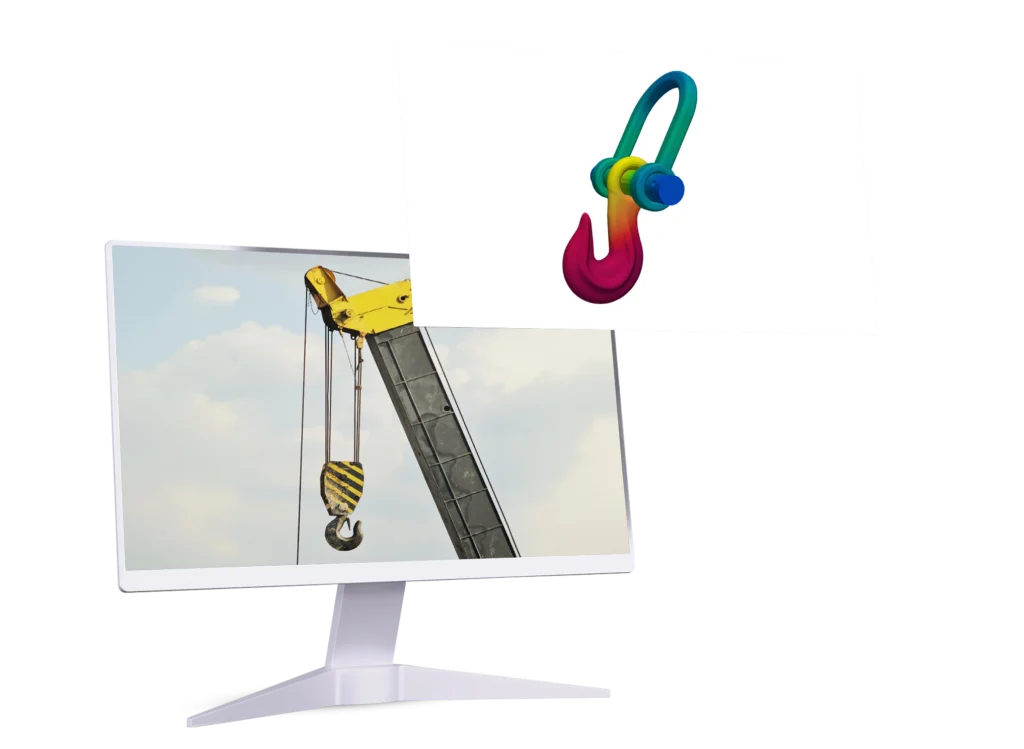
Real-world challenges often demand deeper analysis than linear FEA can provide. Non-linear finite element analysis captures complex behaviours, such as prediction of structural failure, advanced contact analysis, and responses of highly non-linear, flexible materials. Non-linear FEA delivers high-fidelity insights for demanding applications, making it suitable for advanced design stages.
Partnering with Resonant Engineering means working with a team dedicated to your success. We go beyond software proficiency, offering deep expertise in interpreting results, choosing the right analysis methods, and translating findings into actionable recommendations.
Whether you’re optimizing a new product or validating a critical design, our linear and non-linear finite element analysis services ensure you have the insights needed to succeed. Trust in our expertise, and let Resonant Engineering help you push the boundaries of what’s possible in product development.

There are many sources of non-linearities in mechanical systems:
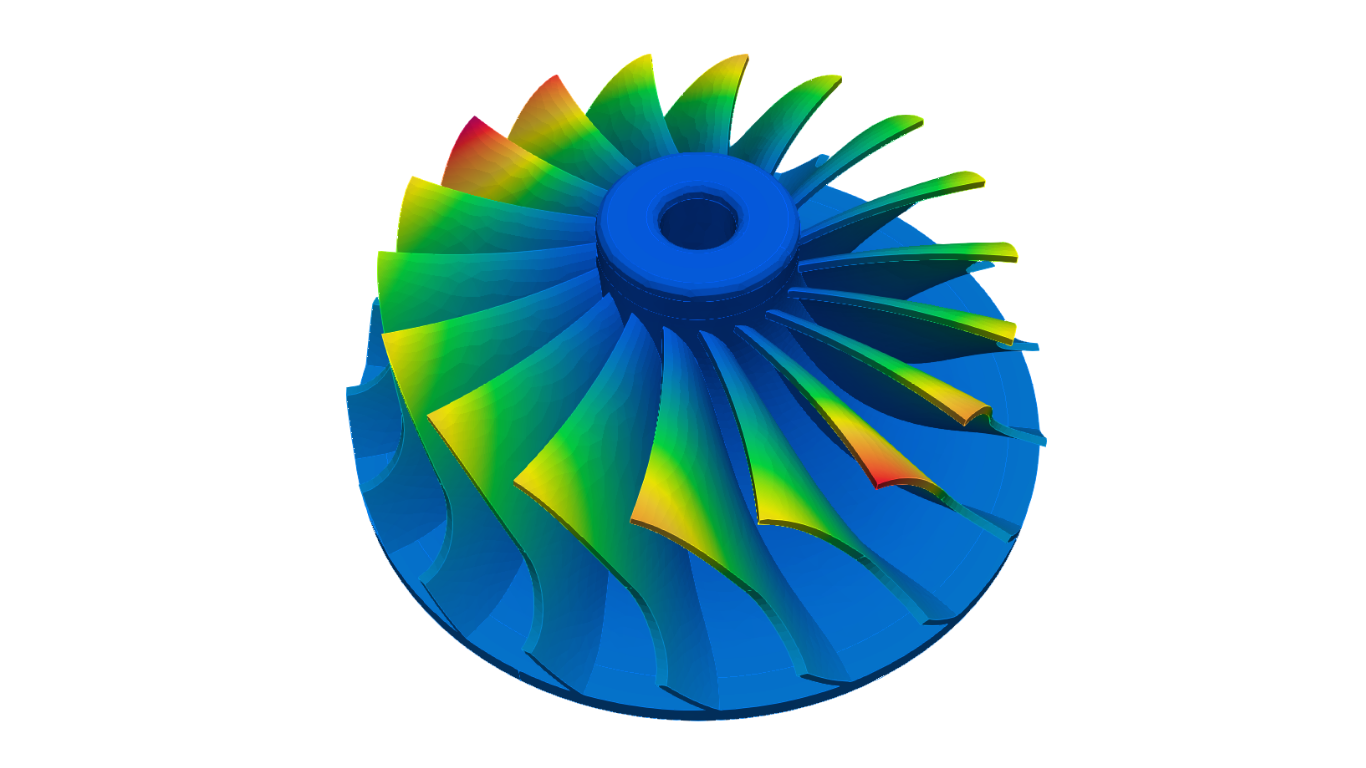
At Resonant Engineering, our non-linear FEA experts deliver solutions tailored to the most demanding engineering challenges. Whether you’re tackling highly non-linear materials or advanced contact behaviour, we provide the clarity you need to make informed decisions by utilising
Testimonials
What Our Clients Say