Case Study: Structural Optimisation of Machining Fixtures using Stress and Fatigue Analysis
Industry
Machined Parts Manufacturing
Challenge
Enhancing strength, stiffness, and long-term durability of machining fixtures while maintaining dimensional accuracy and production efficiency
Solution
Structural finite element analyses (FEA) and targeted design refinements to increase stiffness, reduce stress concentrations, and augment durability
Results
Proven structural improvements to fixture designs, enabling Reontech to machine components with greater confidence, consistency, and long-term reliability, while reducing the risk of downtime
This case study documents the engineering collaboration between Reontech and Resonant Engineering, focused on strengthening and optimizing custom machining fixtures through advanced structural simulation and design refinement.
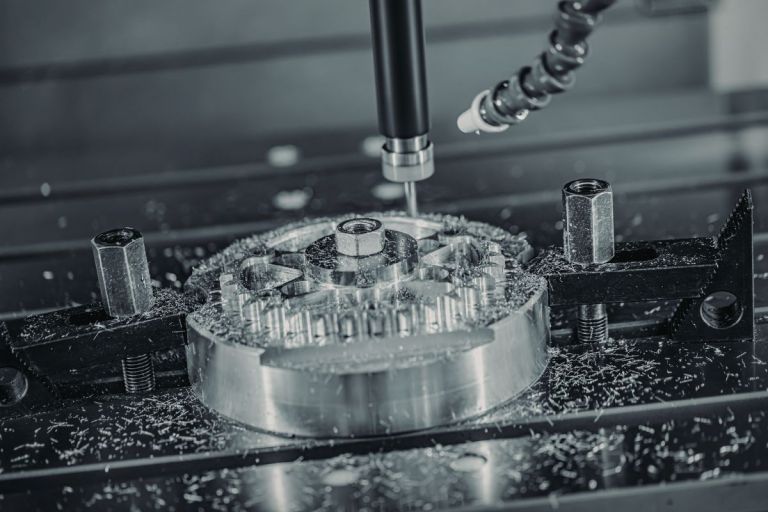
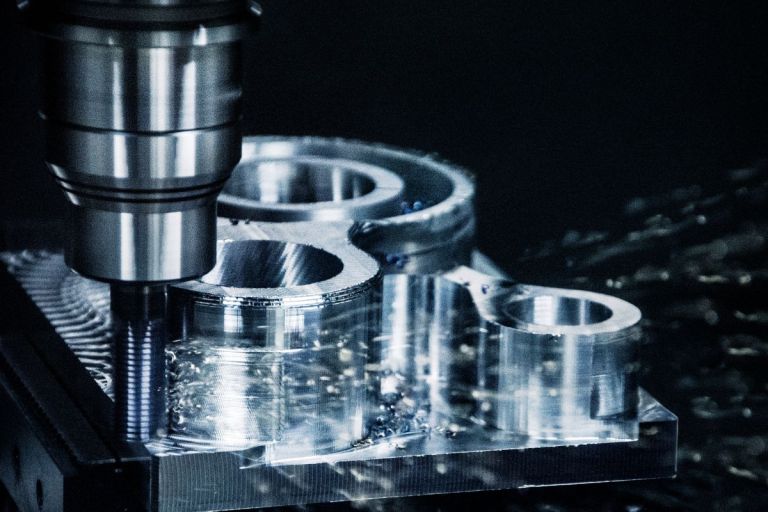
Machining fixtures play a critical role in manufacturing, ensuring components are held securely and repeatably during milling, turning, or drilling. Poorly designed fixtures cause deflection, vibration, or progressive damage, leading to dimensional inaccuracies, surface finish issues, and accelerated tool wear.
As production volumes increase and tolerances tighten, fixture designs must meet ever-greater demands for stiffness and strength while remaining practical to manufacture and operate. Structural analysis enables engineers to quantitatively assess these requirements, identifying weak points early and supporting confident design decisions before hardware reaches production.
Technical Objectives
Reontech, a leading Czech manufacturer of industrial products, relies on internally designed machining fixtures to meet demanding quality and repeatability requirements. While their fixtures were functionally sound, increasing production demands highlighted the need to verify structural robustness and long‑term durability under real machining loads.
To reduce risk and validate their designs, Reontech sought an engineering‑based evaluation of key fixtures. The objective was to confirm load‑bearing capacity, identify potential failure modes, and implement targeted improvements, without unnecessary over‑dimensioning or cost increases.
Collaboration with Resonant Engineering
Resonant Engineering Ltd. was engaged as a technical partner to support fixture development using advanced structural analysis methods. The collaboration focused on evaluating existing fixture designs and providing practical, manufacturable recommendations for improvement.
Resonant Engineering’s role included defining realistic load cases based on machining forces, performing finite element simulations, assessing stresses and deflections, and translating results into clear design guidance.
Working with Resonant Engineering has greatly improved our machining fixtures. Their expert structural analysis led to design modifications that enhanced both strength and durability. Thanks to their solution, we now benefit from better precision, repeatability, and consistent performance. We highly recommend Resonant Engineering for their outstanding technical support.
Resonant Engineering followed a structured optimisation workflow:
Load definition and boundary conditions – Machining forces, clamping loads, and support conditions were defined to realistically reflect operational use.
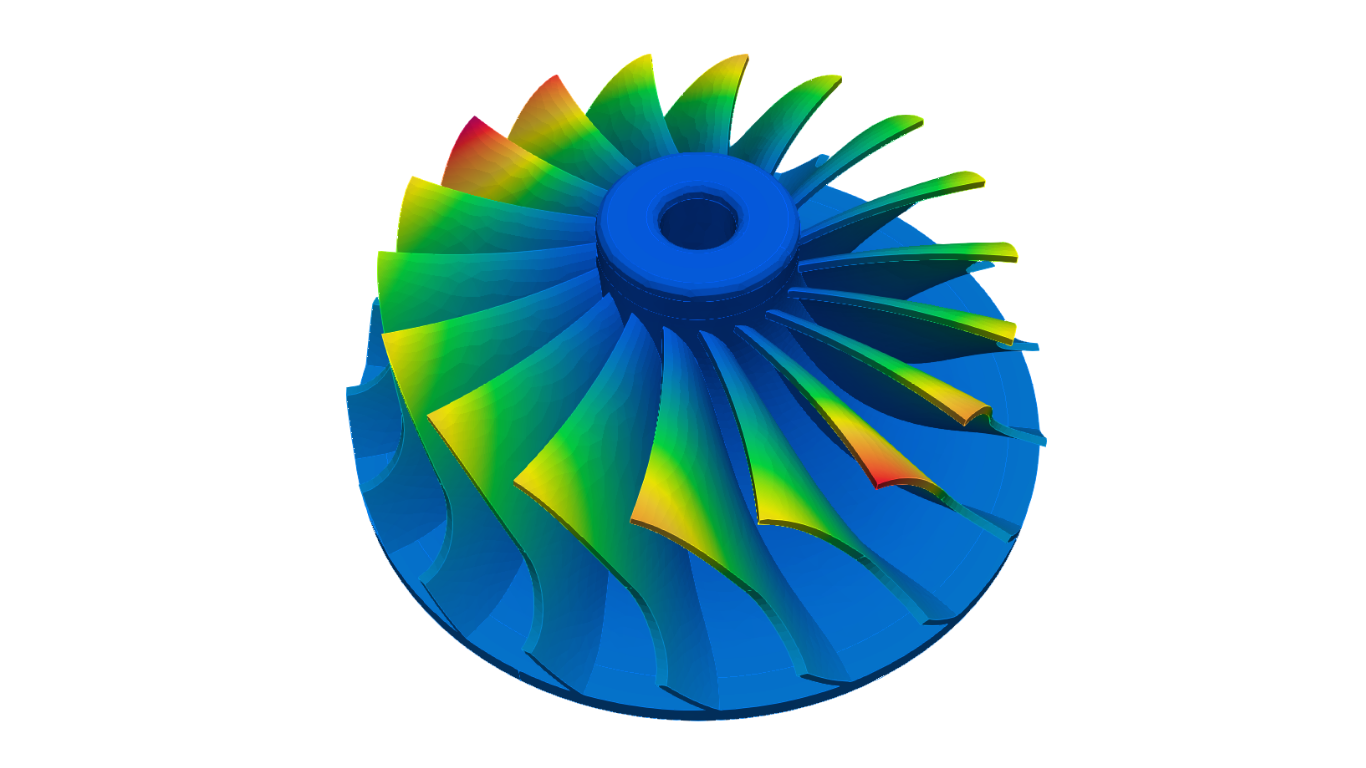
Finite element analysis (FEA) – Static and dynamic structural simulations were performed to evaluate stress distribution, deformation, and safety margins across the fixture assemblies.
Identification of critical regions – Stress concentrations, excessive deflections, and under‑utilized material were identified using contour plots and engineering post‑
Design refinement – Geometry modifications were proposed to improve performance while maintaining manufacturability.
This approach ensured that design decisions were data‑driven, practical, and supported by physics‑based analysis rather than trial‑and‑error.
We analysed various designs, exploring effects of:
Material changes
Reinforcing features
Mounting locations
Material changes
Reinforcing features
Mounting locations
The developed fixtures were prototyped and tested in operation, confirming their performance and durability.
Solution
The final solution consisted of structurally optimised fixture designs, validated through simulation and testing. Improvements focused on increasing stiffness at critical load paths, reducing peak stresses at interfaces, and improving overall robustness under repeated machining cycles.
By leveraging FEA alongside engineering judgement, Resonant Engineering delivered a balanced design — strong enough to ensure repeatability and durability, yet efficient in material usage and compatible with Reontech’s production processes.
The optimised fixtures were released into production with full confidence in their structural integrity and long‑term performance.
Results
With the new fixture designs in operation, Reontech benefits from improved machining stability, consistent dimensional accuracy, and reduced risk of fixture‑related issues. Confidence in fixture strength allows them to focus on productivity rather than setup limitations, while improved durability supports long service life under demanding conditions.
This collaboration demonstrates how advanced structural analysis can be effectively applied to everyday manufacturing challenges: delivering measurable improvements in quality, reliability, and engineering confidence through sound, physics‑based design.
In machining, fixture-related issues can easily slip through at the design stage. A clamping arrangement may appear adequate in concept, yet once cutting forces are applied, the workpiece can deflect, the fixture body can twist, or a locating feature can carry higher loads than intended. In high-speed milling applications, even small displacements at support points can affect dimensional accuracy, surface finish, and batch-to-batch repeatability.
Finite Element Analysis provides a structured way to evaluate these effects before hardware is committed to production. By modelling clamping force, cutting-force direction, contact pressure, and support conditions, engineers can assess whether a jaw opens under load, whether a locator pin creates an unfavourable stress concentration, or whether the base structure has sufficient stiffness to control part movement. For fixtures subjected to repeated production cycles, FEA can also indicate where cyclic loading may contribute to fatigue cracking or progressive loosening over time.
The practical benefit is not just better design in a general sense. It means a more informed development, fewer prototype loops and minimisation of shop-floor surprises. In industries where a small loss of stiffness can translate into scrap, tool wear, or unstable machining, that early insight is makes the difference between reactive haphazard troubleshooting and reliable production processes.
Chat with our engineering team
1
Hi, welcome to Resonant Engineering
Have a question about our services?
Click the button to chat with our engineering team on WhatsApp.