Vibration Consultants

Helping clients optimise vibration sensitive designs, implementing predictive maintenance, developing isolation and vibration mitigation solutions, and drive vibration-related research and development.

Vibration Consultancy Services

Our vibration consultancy services help clients improve performance, increase reliability, and reduce vibration-related risk throughout the asset lifecycle. We provide engineering support for vibration analysis, troubleshooting, testing, condition monitoring, vibration mitigation, and rotordynamic assessments.

Whether you are developing a vibration-sensitive product, investigating vibration issues, implementing predictive maintenance, or designing vibration isolation solutions, our specialists combine analysis, testing, and practical engineering expertise to deliver effective outcomes. We help engineering teams identify root causes, understand dynamic behaviour, and implement solutions that improve performance, reliability, and durability.

Vibration Engineering Applications

Our vibration consultancy services support business across a wide range of industries including manufacturing, energy, aerospace, automotive, research, and high-technology sectors.

Vibration-Sensitive Products

Supporting the development of products where vibration performance is critical to functionality, durability, user experience, or measurement accuracy. We help optimise structural dynamics, reduce resonance risk, and improve overall product performance.
Industrial Machinery & Equipment

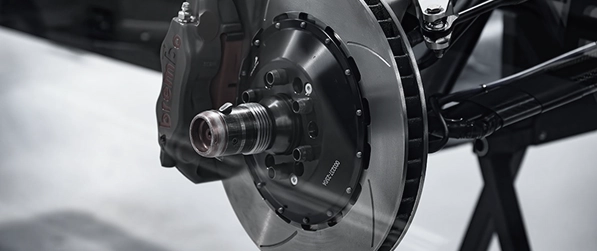
Vibration analysis and troubleshooting for manufacturing equipment, process machinery, production assets, and mechanical systems. We help identify root causes of vibration issues and implement effective corrective actions.

Measurements and Precision Systems

Measurements and Precision Systems

Supporting the design and optimisation of vibration-sensitive test rigs, laboratory equipment, metrology systems, and precision engineering applications where dynamic performance is essential.
Predictive Maintenance Data Analytics

Predictive Maintenance Data Analytics

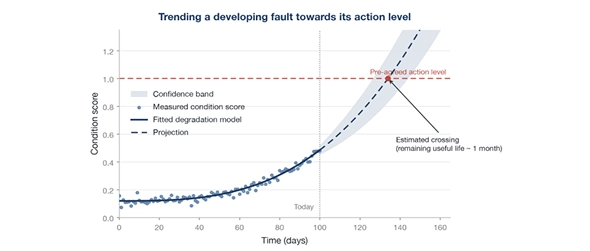
Providing vibration-based predictive maintenance cloud-based solution that help maintenance teams identify developing faults, improve reliability, and reduce unplanned downtime.
Vibration Isolation & Control Systems

Vibration Isolation & Control Systems

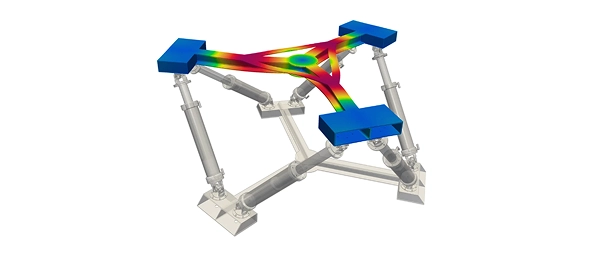
Development and optimisation of passive and active vibration isolation solutions for products, machinery, production equipment, and vibration-sensitive applications.
Advanced Vibration Research & Development

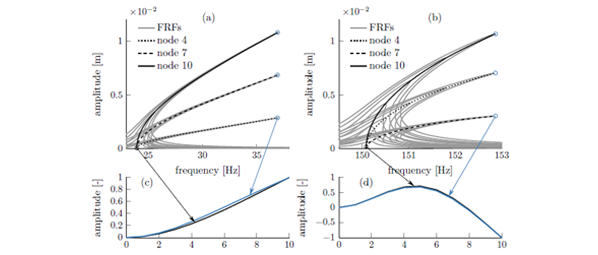
Supporting research, development, and innovation projects involving complex dynamic behaviour, non-linear systems, and novel vibration challenges. We provide expertise in experimental design, data acquisition, advanced signal processing, non-linear system identification, and bespoke vibration testing.


Our vibration consultancy services help clients solve complex vibration problems, improve reliability, and develop practical engineering solutions where conventional analysis methods may be insufficient.

HOW WE HELP

Where Vibration Consultants help?

We Help Engineering Teams To

Typical Use Cases

Facing a vibration challenge?
Talk to us about your requirements.

Discuss Your Project

View our anonymised vibration research report to understand how we present findings during research and development projects.

FEA Projects

Key stages and deliverables

Each project is unique and tailed to specific needs for a client. See how general workflow looks like.

1

Initial Scoping
and Design Data Review

Clarification of the design requirements, available technical data, operating conditions, project objectives, and engineering decision the analysis needs to support. This typically results in the Statement of Work (SoW).

2

FEA Modelling

An FE model is developed, incorporating the systems geometry, materials, boundary conditions, loading and appropriate abstraction of structural behaviour.

3

FEM Structural Analysis

Appropriate FEM simulations are performed to assess structural and dynamic behaviour, including static, modal, harmonic, fatigue, buckling, and rotordynamic analysis.

4

Results Validation

Model sanity checks are performed to ensure the produced results are numerically correct. Where test or field data is available, it may be used to compare, calibrate, or refine the analysis.

5

Results Interpretation

Results are reviewed against design requirements, operating limits, applicable codes, and engineering acceptance criteria.

6

Report Findings
and Recommendations

The results are presented in a clear engineering report with relevant plots, structural analysis diagrams, conclusions, analysis assumptions, and practical recommendations for design changes.

quote image
TESTIMONIAL

What our Clients Say

Resonant Engineering’s expertise in vibration control has been invaluable. They provide superb advice and analysis that is helping us develop class leading products.

Theo Stack

Director, Stack Audio

Engineering Software 
& Analysis Tools

Our engineering capabilities are supported by industry-standard software for finite element analysis, vibration analysis, rotordynamics, and mechanical design. We are equally comfortable working within client-specified software environments where required.

Code Aster

Fusion 360

Python

Ansys Mechanical

Paraview

Ross

Featured Projects

Different Industries. Common Challenges. One Expertise. 

Chladni predictive maintenance project case study
Case Study

Chladni: Predictive Maintenance

Using Physics-Based Algorithms and ML Models to Predict Failures and Minimise Downtime for Rotating Systems.

Stack Audio vibration analysis project case study
Case Study

Stack Audio: Vibration Analysis

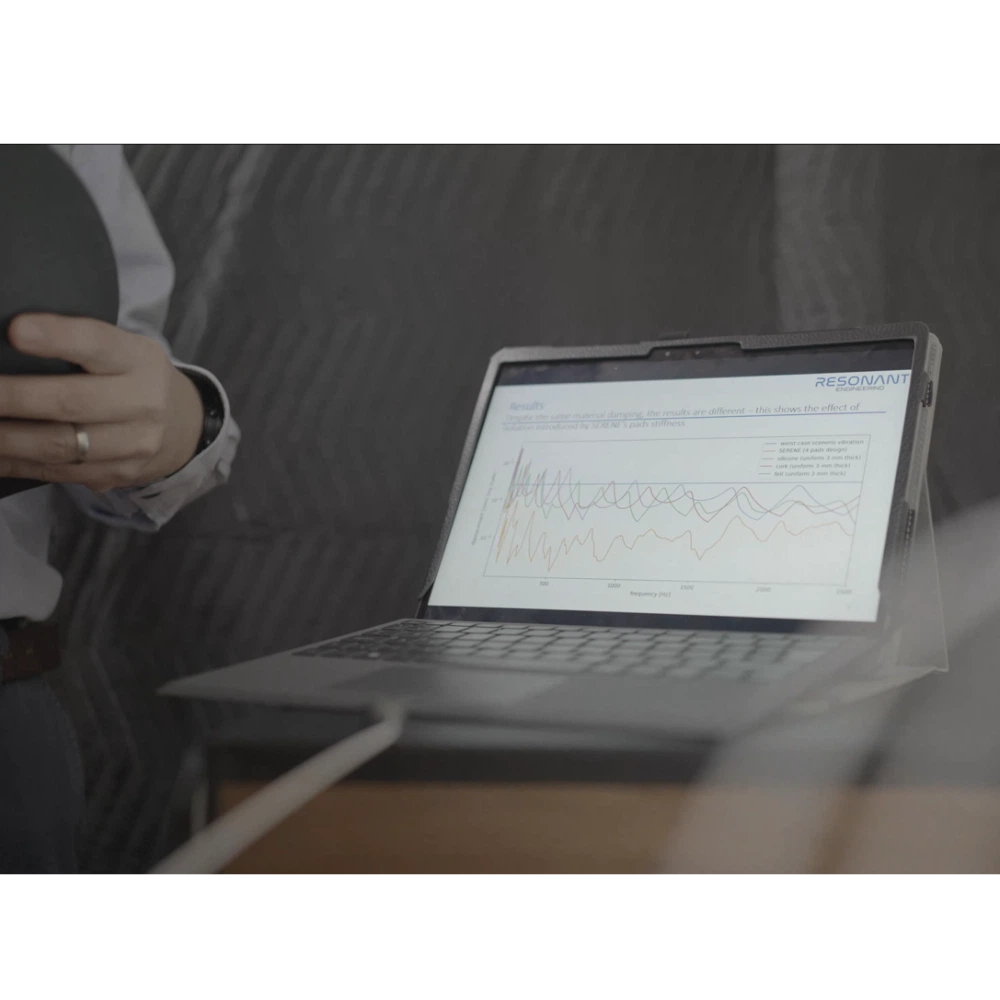
How Finite Element Simulation Delivered Vibration-Isolating Mat to Enhance Audio Fidelity.
project
Technical Study

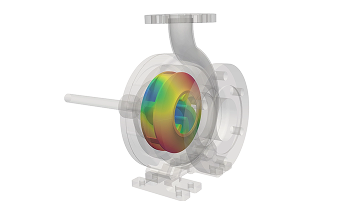
Pump Impeller Fatigue Analysis

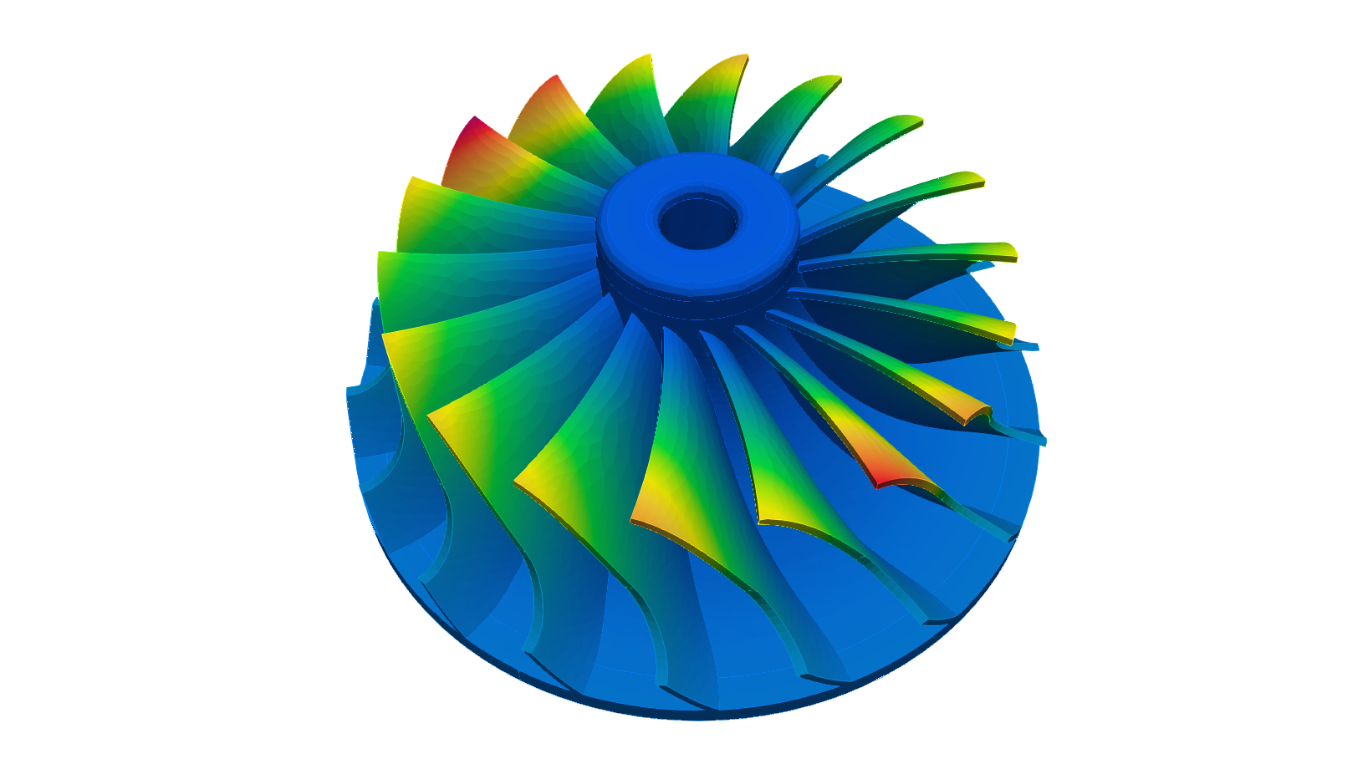
Impeller Modal Behaviour, Blade Passing Excitation Response, and ISO-aligned Fatigue Analysis
Discuss Your Project

View our anonymised rotordynamic analysis report to understand how we present the analysis, results, and engineering recommendations.

Engagement Models

Fixed-Scope Project

Typical range*:
£1000 – £5000

  • Targeted assessments, single-component systems, or specific analyses. Delivered with a clear scope and summary report.
  • Used for standard evaluations or component-level analyses with clearly defined inputs.

Hourly Rate

Typical rate*:
£60 - £90 / hour

  • Collaborative design, system, or exploratory iterations. Charges are based on the time spent by the engineering team.
  • Complex projects requiring iterative development, multi-part system analysis, or ongoing engineering attention.

Retainer Agreement

Agreement highly
dependent on requirements.

  • Dedicated engineering bandwidth secured in advance for scheduled or ongoing multi-phase deliverables.
  • Long-term asset development programs with anticipated continuous simulation and design needs.

*Project pricing depends on the scope and complexity of the analysis, available inputs, and reporting deliverables. Once the scope is understood, we provide a clear quotation before modelling requirements work begins.

Have a project in mind? Send us the details and we provide a quotation.

Send us the details and we provide a quotation.

Fatigue analysis diagram - Resonant Engineering vibration consultancy

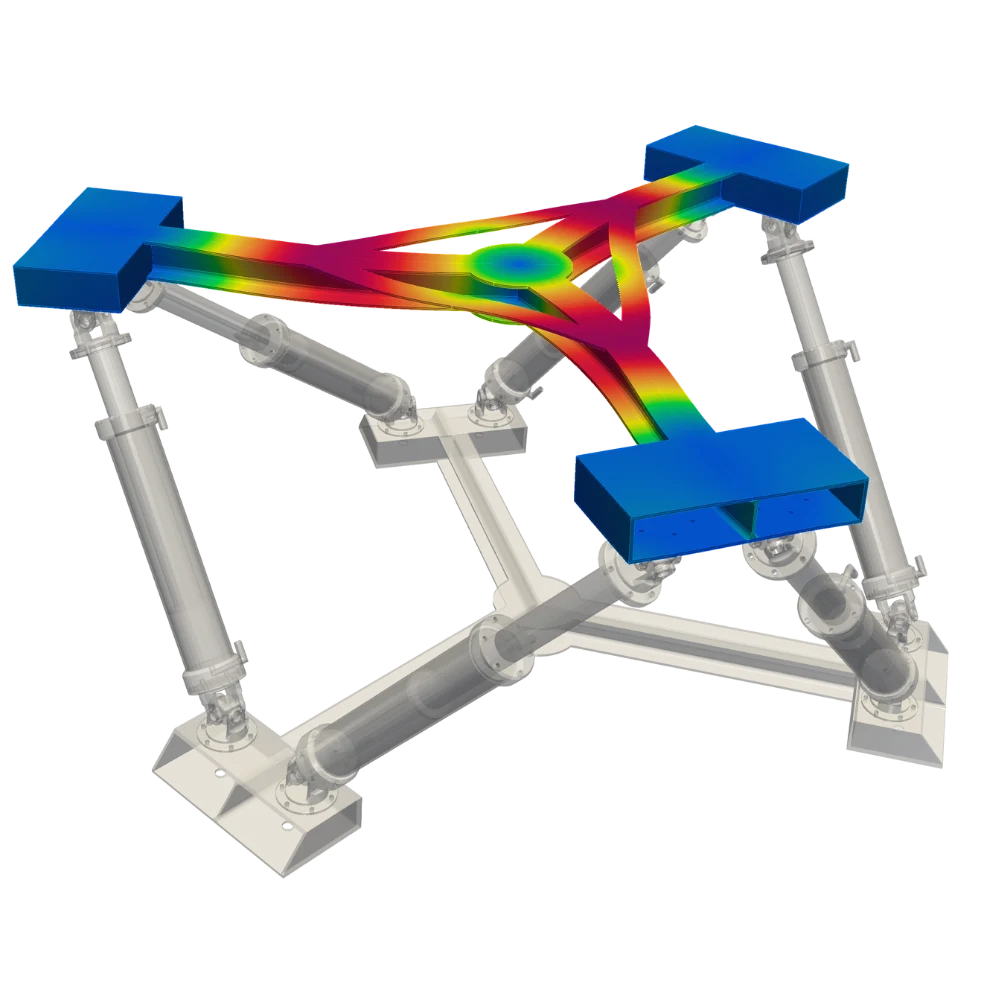
Computational Vibration Analysis (FEA)

Our computational vibration analysis services help engineering teams identify vibration issues, reduce development risk, and optimise dynamic performance before physical prototypes are manufactured. By evaluating vibration behaviour early in the design process, clients can make informed engineering decisions, reduce costly redesigns, and improve product reliability and durability.


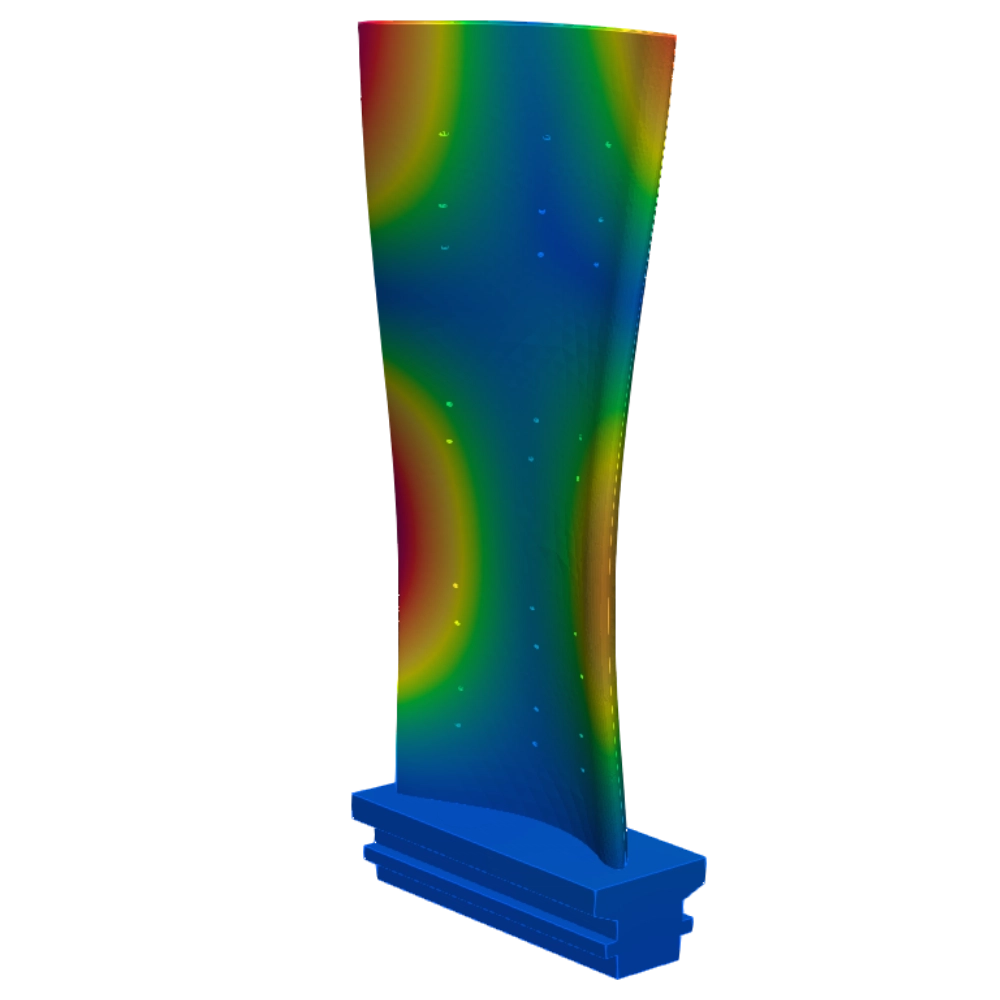
Computational vibration analysis uses finite element analysis (FEA) to predict natural frequencies, mode shapes, dynamic response, and resonance behaviour of components and assemblies. These simulations provide valuable insight into structural dynamics, enabling engineers to assess design alternatives, evaluate vibration performance, and understand how products will behave under operational loading conditions.

Testing Support & Experimental Capability Development

Our testing support services help business obtain reliable vibration measurements, validate engineering assumptions, and develop in-house testing capabilities. Whether supporting a specific development programme or establishing long-term testing processes, we help clients improve confidence in engineering decisions through effective measurement and data analysis.

Our expertise includes test planning, instrumentation selection, data acquisition, signal processing, modal testing, and experimental validation. We also support the development of bespoke test methods and internal testing capability, enabling engineering teams to investigate vibration behaviour, validate simulation models, and improve understanding of complex dynamic systems.

Vibration consultancy services - structural dynamics diagram

Vibration Troubleshooting & Root Cause Investigation

Our vibration troubleshooting services help clients identify the causes of excessive vibration, noise, resonance, and dynamic performance issues affecting products, machinery, and structures. By determining the underlying root causes rather than simply treating symptoms, we help organisations reduce operational risk, improve reliability, and implement effective corrective actions.

Root cause investigations combine engineering analysis, vibration measurements, testing, and diagnostic techniques to understand system behaviour. These assessments can identify issues associated with resonance, structural dynamics, excitation mechanisms, operational conditions, manufacturing variation, or unexpected interactions between system components.

Vibration-Sensitive Design Optimisation

Our vibration-sensitive design optimisation services help engineering teams develop products and systems that meet demanding performance requirements while maintaining reliability and durability. By addressing vibration issues during development, organisations can avoid costly modifications later in the project lifecycle and achieve more robust product performance.

Design optimisation focuses on reducing sensitivity to vibration through modifications to structural layout, stiffness, mass distribution, damping characteristics, and support arrangements. Using both simulation and testing, we evaluate design options and identify opportunities to improve dynamic behaviour while maintaining overall engineering requirements.

Vibration consultancy services - vibration analysis diagram

Predictive Maintenance & Condition Monitoring

Our predictive maintenance and condition monitoring services help organisations improve asset reliability, reduce unplanned downtime, and optimise maintenance activities. By identifying developing faults before they lead to failure, engineering and maintenance teams can make informed decisions and improve operational efficiency.

Through our spin-off company, Lyttwise, vibration data is continuously analysed using a cloud-based data analytics engine that assesses machine health, identifies developing faults, and delivers actionable insights to support a predictive maintenance strategy.

Vibration mitigation and isolation

Our vibration mitigation and isolation services help clients control unwanted vibration, improve equipment performance, and protect sensitive products and systems from dynamic excitation. Effective vibration control can improve reliability, reduce noise, enhance user experience, and minimise the transmission of vibration between connected systems.

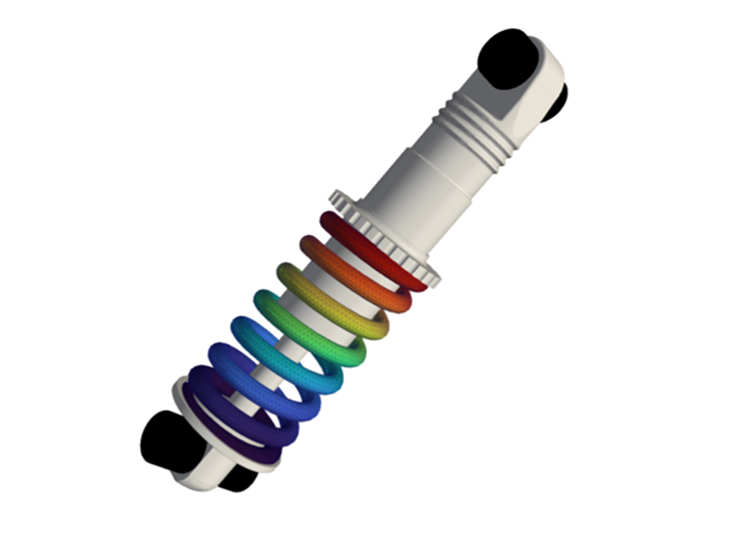
Vibration mitigation solutions may include passive isolation systems, structural modifications, damping treatments, tuned absorbers, or active vibration control technologies. We evaluate vibration transmission paths, identify dominant excitation mechanisms, and develop practical solutions tailored to the performance requirements of each application.

Rotordynamic Analysis

Our rotordynamic analysis services help engineering teams improve the reliability and performance of rotating machinery by identifying vibration risks early in the design process. These assessments support informed design decisions, reduce technical risk, and help ensure equipment operates safely and reliably throughout its service life.

Rotordynamic analysis evaluates the dynamic behaviour of rotating systems including shafts, bearings, seals, couplings, and support structures. Typical assessments include critical speed analysis, vibration response prediction, stability assessment, and rotor-bearing system modelling, providing insight into resonance risks and overall machinery performance.