FEA, or Finite Element Analysis, is often viewed as a tool that simply produces stress plots and colourful contour images. In reality, its value lies in answering specific engineering questions and providing insight that helps teams make informed design decisions before committing to manufacturing, testing, or certification.
When developing a new product, investigating a failure, or improving an existing design, FEA can help predict how a component, assembly, or full system will behave under realistic operating conditions. This article explores the types of problems FEA can solve, the information it can provide, and how it supports better engineering decision-making throughout the development process.
What Types of Problems Can FEA Solve?
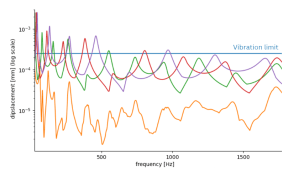
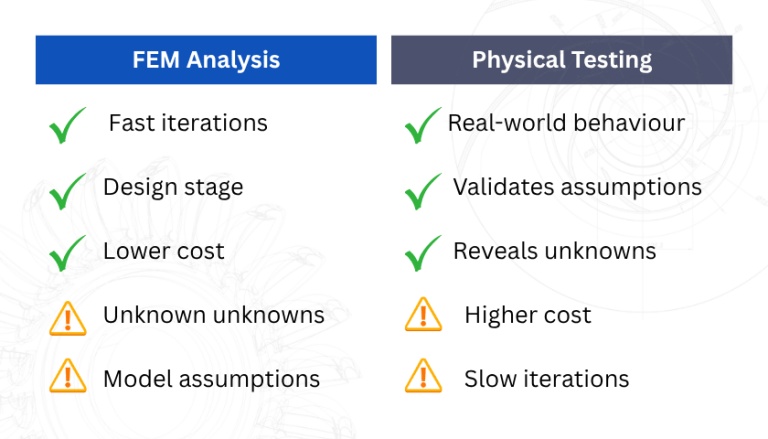
FEA is used across a wide range of industries to analyse structural, thermal, and dynamic behaviour. Any engineering problem involving loads, stresses, deformation, temperatures, vibration, or fatigue can potentially benefit from simulation. The technique is particularly valuable when physical testing is expensive, time-consuming, or impractical during the early stages of design.
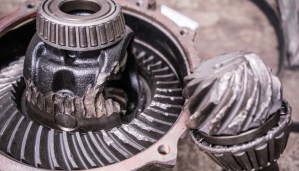
Common applications include evaluating whether a component has sufficient strength, predicting deformation under load, identifying high-stress regions, assessing vibration characteristics, estimating fatigue life, investigating thermal performance, and understanding the root causes of failures. Engineers frequently use FEA to analyse structures ranging from small brackets and electronic enclosures to large industrial machinery, pressure vessels, and complete assemblies.
Rather than replacing engineering judgement, FEA provides a quantitative understanding of how a design is likely to perform. This allows potential issues to be identified and addressed before they become expensive problems later in the development process.
What Can Finite Element Analysis Tell You About a Design?
One of the greatest strengths of FEA is its ability to provide detailed insight into behaviour that would otherwise be difficult to observe. Instead of simply knowing whether a design passes or fails, engineers can understand exactly where problems are likely to occur and why.
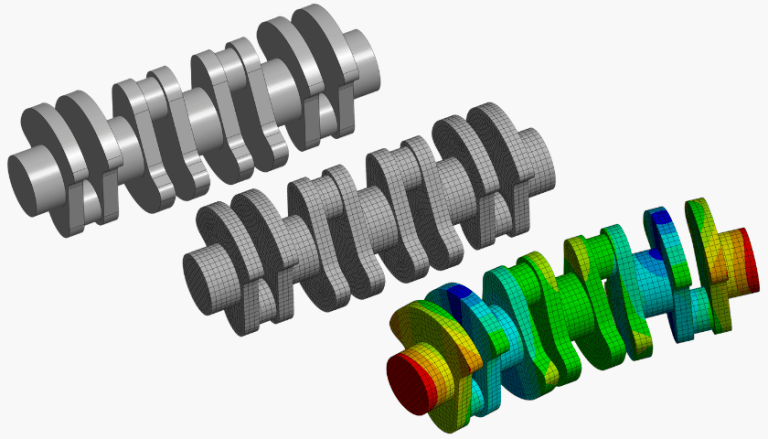
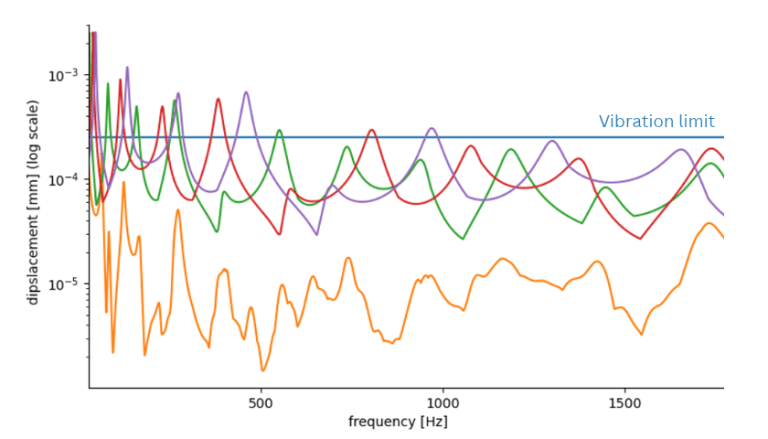
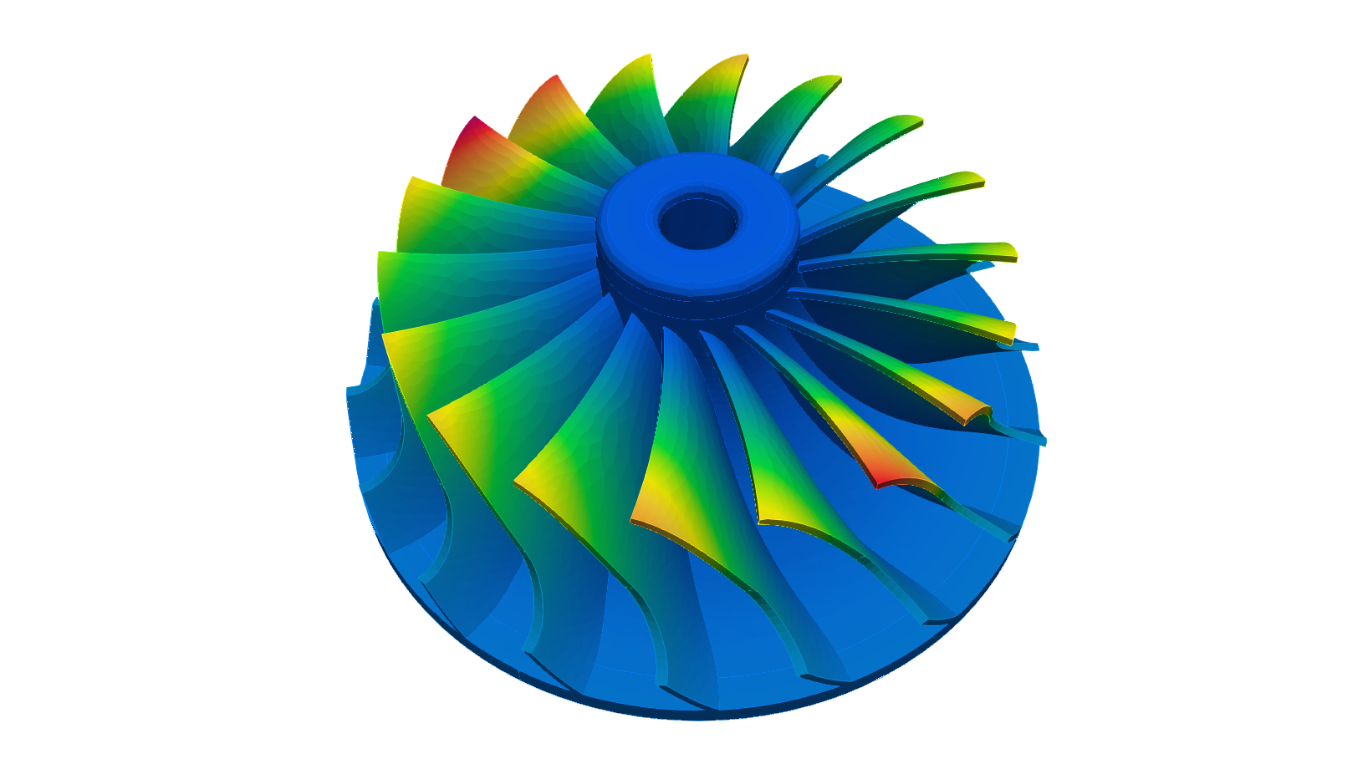
A well-executed FEA study can reveal stress concentrations, deformation patterns, load paths, contact pressures, natural frequencies, temperature distributions, and fatigue-critical locations. These results help engineers understand how forces move through a structure and which areas govern overall performance.
Importantly, FEA can also support design optimisation. By comparing alternative concepts, material selections, or geometric configurations, engineers can evaluate potential improvements before investing in manufacturing or testing. This makes simulation particularly valuable during product development, where multiple design iterations may need to be assessed quickly and cost-effectively.
How FEA Supports Better Engineering Decisions
Engineering decisions are often made under constraints of cost, schedule, and risk appetite. FEA helps reduce uncertainty by providing evidence-based insight into how a design is expected to behave under specified operating conditions.
During early concept development, simulation can identify whether a proposed design direction is viable before significant resources are committed. As the design matures, FEA can verify performance against requirements, support design reviews, and guide modifications where improvements are needed. In later stages of development, simulation can help prepare for physical testing by identifying critical load cases and highlighting areas that deserve particular attention.
The greatest value of FEA is often not in producing final numbers, but in enabling better engineering decisions throughout the project lifecycle. By understanding potential weaknesses early, organisations can reduce development risk, minimise redesign effort, and make more informed choices about testing, manufacturing, and product performance.
Frequently Asked Questions
FEA can provide a strong indication of whether a design is likely to fail under specified loading conditions by calculating stresses, strains, deformations, and other structural integrity metrics. However, the reliability of the prediction depends on the quality of the model, material data, load assumptions, and boundary conditions. FEA does not predict the future with certainty, but when performed correctly, it is an extremely powerful tool for identifying potential failure risks before physical testing or field operation.
FEA can analyse a wide variety of loading conditions, including static forces, pressures, thermal loads, vibration excitation, inertial loads, shock events, bolt preloads, rotating machinery loads, contact interactions, and cyclic fatigue loads. Multiple load cases can also be combined to represent realistic operating environments, allowing engineers to assess how a design performs under both normal and extreme conditions.
The accuracy of FEA depends on the accuracy of the input data and modelling assumptions. Material properties, loading conditions, contact definitions, boundary conditions, and mesh quality all influence the results. When these factors are well understood and appropriately modelled, FEA can produce results that closely correlate with physical testing. However, like any engineering tool, simulation should be viewed as part of a broader engineering process rather than an automatic source of perfect answers.
Integrated CAD simulation tools are often sufficient for basic validation studies and simple structural assessments. However, specialist FEA support becomes valuable when dealing with complex geometries, nonlinear behaviour, fatigue assessment, vibration problems, contact mechanics, failure investigations, certification projects, or situations where design decisions carry significant technical or commercial risk. In these cases, the experience of the analyst is often more important than the software itself.
Yes. One of the primary benefits of FEA is the ability to evaluate design concepts before physical prototypes are manufactured. Potential issues can be identified earlier, alternative solutions can be investigated quickly, and less promising concepts can be eliminated before significant resources are invested. While simulation rarely replaces testing entirely, it can substantially reduce the number of prototypes required and improve the effectiveness of the testing programme, leading to lower development costs and shorter project schedules.

Written by
Vaclav Ondra
Director of Resonant Engineering, specialising in finite element analysis (FEA), vibration consultancy, rotordynamics, and structural integrity of mechanical systems and rotating machinery.