Machine vibration is often treated as a commissioning or troubleshooting issue. In reality, the foundations of good vibration performance are established much earlier, during the design phase. Decisions related to stiffness, mass distribution, supports, joints and operating speeds can determine whether a machine operates reliably for years or develops costly vibration problems shortly after deployment.
Understanding and managing vibration early allows engineers to avoid resonance, extend service life, reduce noise, and minimise the need for expensive modifications once equipment is in operation. This article explains the fundamentals of machine vibration and outlines practical strategies for preventing vibration issues before they occur.
What is machine vibration and why designers should care?
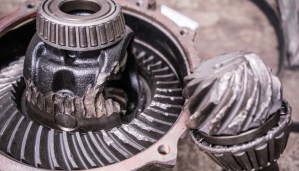
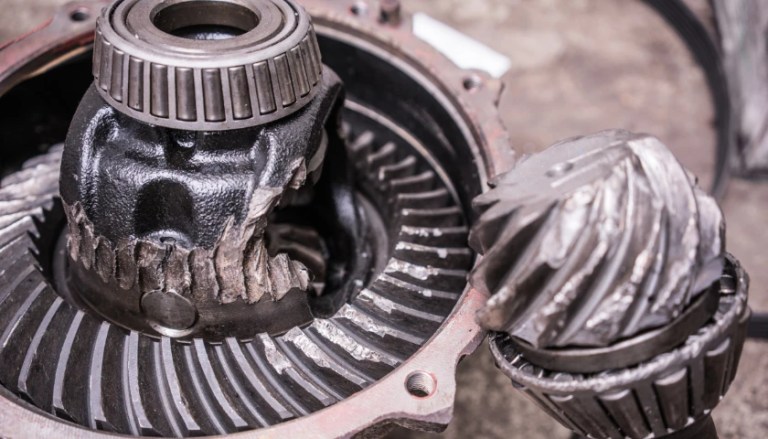
Machine vibration is oscillatory motion driven by periodic or transient excitation, such as unbalance, gear mesh, blade pass, ground motion or flow-induced forces. Incorrect design may amplify input excitation into large vibration, leading to high dynamic stresses, low high-cycle fatigue life, loosened joints, unwanted contacts, wear, and acoustic issues. The resulting vibration often also propagates to other parts of the system via interfaces, mounts and foundations, and can cause issues in otherwise well-designed components.
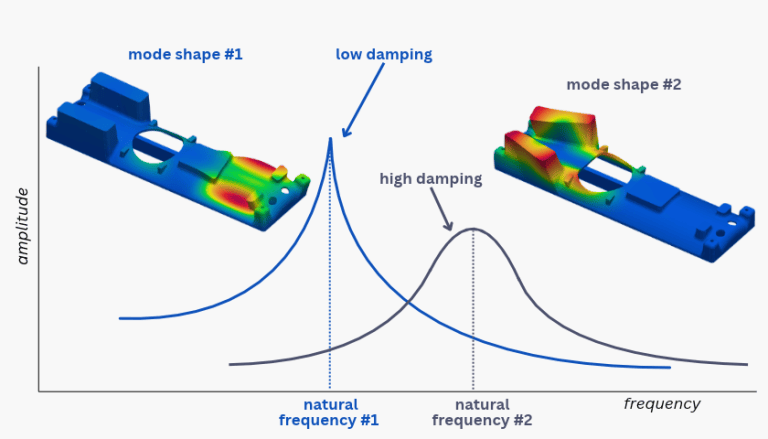
Modal properties (natural frequencies, damping ratios, and mode shapes) are a function of geometry, material, boundary conditions, temperature, preload and other factors. Despite this, designers are often able to effectively lock in the overall vibration behaviour early by properly selecting and tuning the above factors. This proactive management of vibration early on prevents the need for reactive mitigation actions later. Importantly, the lack of vibration is often a crucial prerequisite to meet the equipment’s performance targets without reliability penalties.
In any mechanical system, unchecked vibration increases dynamic loads, accelerates fatigue, degrades bearings and seals in rotating equipment, and amplifies noise and user discomfort. This can often turn small oversights during the design stage into expensive late-stage fixes. The determinants of vibration behaviour are largely set by early choices in mass distribution, stiffness, joints and supports, and operating speed ranges. Once the hardware design is frozen, mitigation options become narrower and costlier.
Designers should therefore view vibration not as a specialist afterthought, but as a core design consideration that directly affects reliability, safety, maintenance requirements and lifecycle cost.
Machine vibration risk prevention at the design stage
Once the importance of vibration is understood, the next step is ensuring that potential vibration problems are eliminated before equipment reaches manufacture or operation.
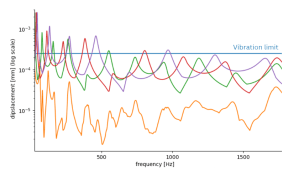
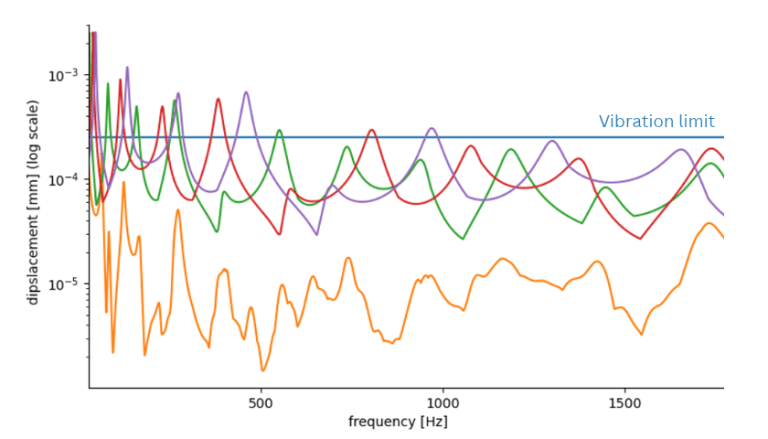
The most effective vibration prevention strategy is a clear understanding of the natural frequencies and mode shapes that the design will exhibit, and their spacing from any possible excitation frequencies. This helps ensure that resonance does not occur and vibration levels remain acceptable throughout the operating range. Acceptable vibration levels are often defined by standards such as ISO 20816, which provides guidance for the measurement and evaluation of machine vibration.
In order to position the natural frequencies away from the excitation frequencies, a number of design techniques can be used. They include:
- Designing load paths with appropriate stiffness and damping
- Controlling mass distribution through geometry and material selection
- Incorporating joints to provide friction damping at interfaces
- Selecting bearing and support types with appropriate stiffness and loss factors
- Fully isolating excitation sources, such as motors, pumps and gearboxes, with suitable mounts to reduce vibration transmissibility into surrounding structures
- Providing in-situ balancing or alignment capability to minimise excitation forces
Changes like these are relatively straightforward to implement during the design phase and often difficult, disruptive or expensive once systems are in operation. It is therefore important to understand how design decisions influence natural frequencies and vibration response before the design is finalised.
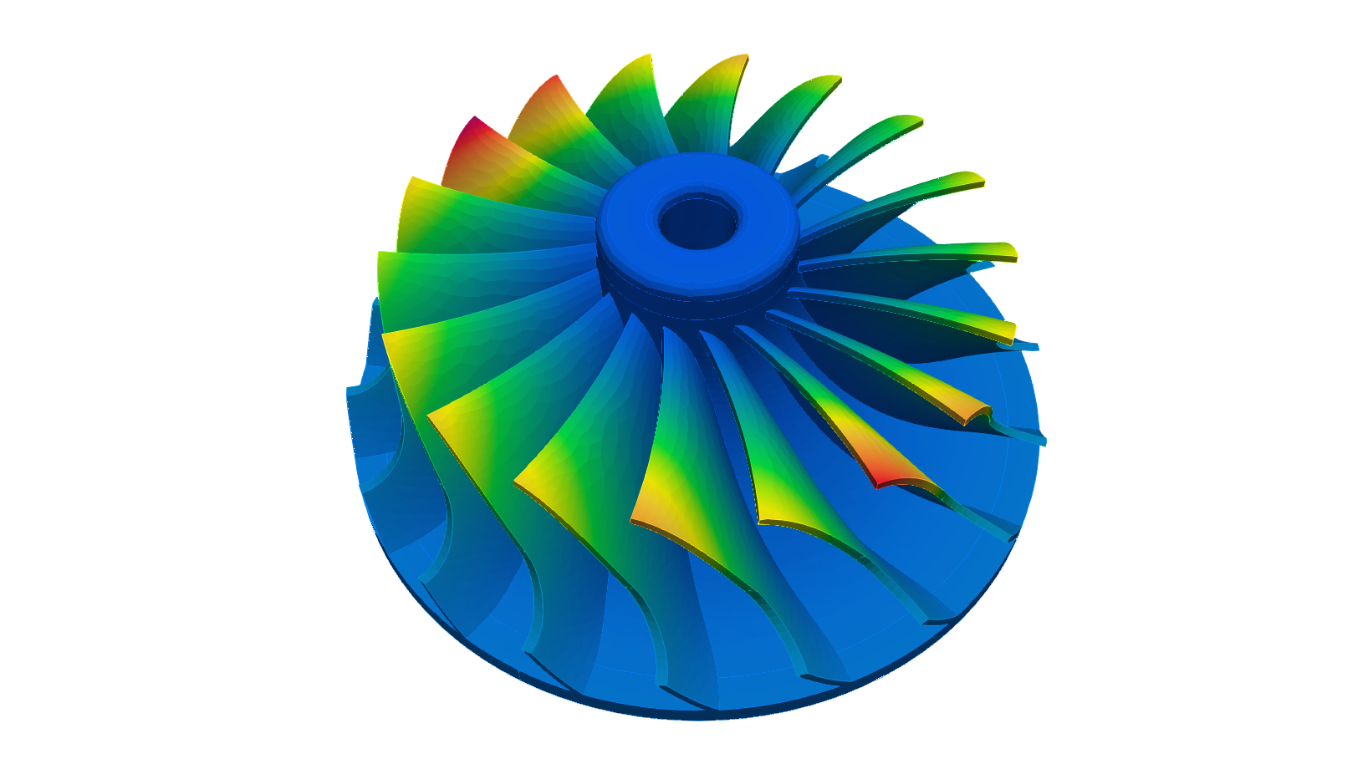
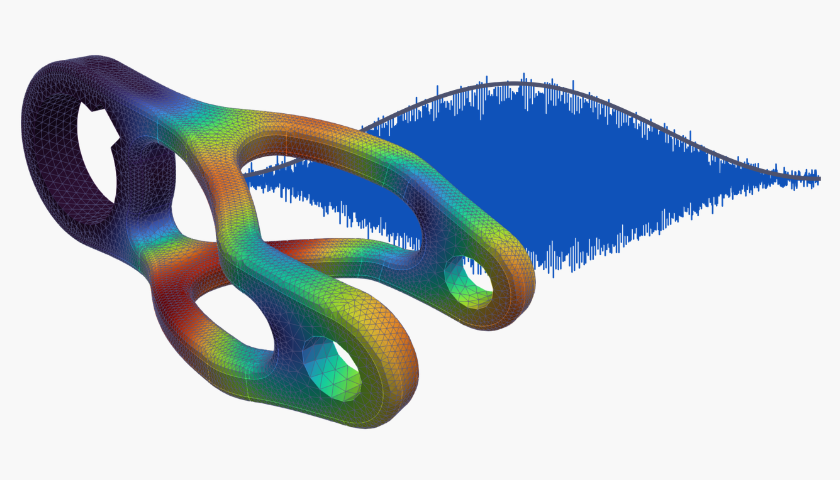
Modern simulation methods, such as finite element analysis (FEA), enable engineers to evaluate modal properties and identify vibration risks early in development. This provides full insight into the dynamic behaviour of a design before physical prototypes exist.
By addressing vibration proactively, designers can reduce development risk, avoid costly redesigns, and improve the reliability and performance of their equipment throughout its lifecycle.
When should vibration analysis be performed during design?
Computational vibration analysis delivers the greatest value when it is performed as early as possible in the design process. Many of the parameters that govern vibration behaviour, such as architecture, load path, support arrangements and mass distribution, are established during the concept and preliminary design stages. Evaluating the dynamic response at this point allows potential resonance issues to be identified while design changes remain relatively simple and inexpensive to implement.
As the design matures, vibration analysis can be used to verify that natural frequencies remain sufficiently separated from operating speeds, forcing frequencies and other sources of excitation. Modal analysis is commonly used to identify natural frequencies and mode shapes, while harmonic response or transient dynamic analyses can be employed where excitation forces are known. For critical equipment, numerical predictions are often complemented by experimental testing on prototypes to validate assumptions and confirm performance.
By integrating computational vibration analysis throughout the design process rather than leaving it until commissioning or troubleshooting, engineers can reduce technical risks, minimise redesign costs and improve reliability before equipment reaches service.
Frequently Asked Questions
FEM (Finite Element Method) is the mathematical technique used to solve engineering problems, while FEA (Finite Element Analysis) is the practical application of that method to a specific design or engineering challenge. In everyday engineering practice, the terms are often used interchangeably, although FEM technically refers to the underlying mathematics and FEA refers to the complete simulation process.
Finite element analysis can be used to investigate a wide range of structural, thermal, and dynamic problems. Common applications include stress assessment, deflection prediction, vibration analysis, fatigue evaluation, thermal behaviour, contact mechanics, bolt preload assessment, impact loading, failure, and buckling investigations. The technique is suitable wherever understanding the physical behaviour of a component or structure is important for design decisions.
At a minimum, an analyst typically requires a description of the engineering problem, the geometry of the component, material information, and details of the loads and constraints acting on the structure. Additional information such as environmental conditions, test data, operating scenarios, and other design requirements can often improve the quality and reliability of the results.
The duration depends on the complexity of the problem and the level of detail required. A simple linear static assessment may be completed within a short period, while large nonlinear, fatigue, or vibration studies involving multiple load cases can require substantially more effort. In most cases, the largest portion of the work is not the computer solve time itself, but the preparation of the model, verification of assumptions, and interpretation of the results.
Not necessarily. A CAD model is often the most efficient starting point, but many FEA studies can begin using engineering drawings, sketches, dimensions, photographs, or existing documentation. In some cases, the analysis model is rebuilt specifically for simulation purposes, particularly when simplifying complex geometry helps improve efficiency without affecting result accuracy.

Written by
Vaclav Ondra
Director of Resonant Engineering, specialising in finite element analysis (FEA), vibration consultancy, rotordynamics, and structural integrity of mechanical systems and rotating machinery.